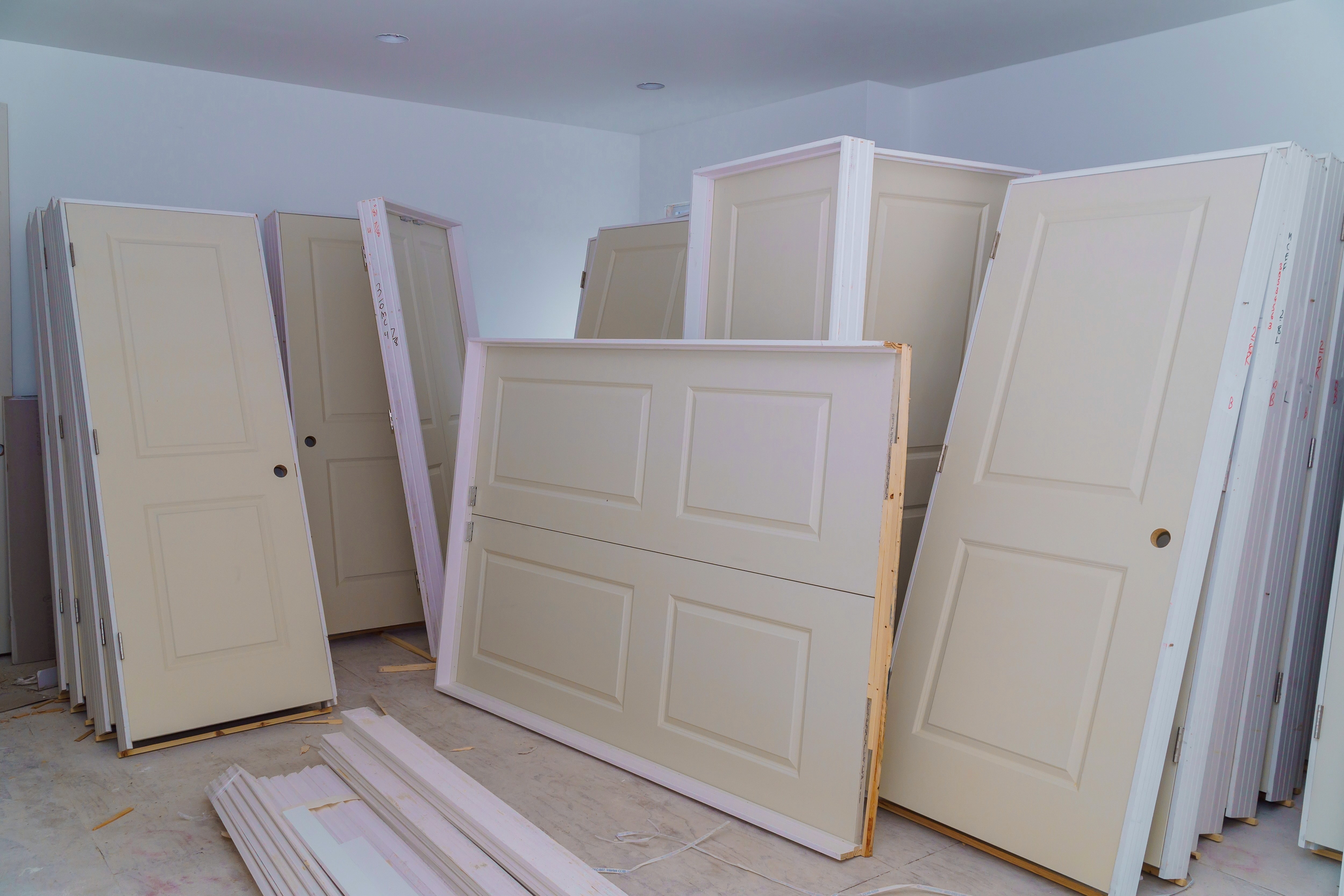
Doors internal, external, fire-rated
Why doors are a circular-economy “sweet spot”
Doors are standardised assets with clear specs (size, rating, leaf/frame, ironmongery) and repeat demand (repairs, refurbs, new installs).
The commercial barrier isn’t “is there value?” – it’s verification, traceability, and timing.
What typically happens:
On fit-outs / soft strip, doors get removed under programme pressure; without storage + grading, they go to chipboard/downcycling or incineration (especially if mixed sets, missing certs, or unknown ratings).
Reuse pathways:
Direct reuse (same spec)
Refurbish + re-cert route (where feasible)
Harvest ironmongery / frames / glazing (component reuse)
Material recycling (lowest value)
How EME handles doors:
Grading + verification: capture dimensions, type (FD rating where known), condition, photos, counts, packaging
Digital Product Passport: spec sheet, chain-of-custody, listing record
Matchmaking: local reuse buyers + projects; split lots where needed
Brokerage + logistics: storage to “buy time”, multi-drop delivery, export where appropriate + documented
Proof: Neilcott Construction Ltd
Example case study: 17 surplus doors
Problem: 17 surplus doors, tight deadline; risk of recycling/incineration
EME solution (4 steps): temporary storage → platform listing + DPP → AI matchmaking → brokerage & logistics
Result: £2,360 savings; 1,300kg diverted; ~250kgCO₂e saved + ~1,010kgCO₂e end-of-life emissions avoided
The bigger UK-scale story:
UK demand for doors is large: one residential market estimate equates to ~10.6M units in 2024 (residential doors sold).
The UK also imports significant wooden doors: HS 441820 imports ~US$393.8M (2023).
Scaling reuse requires: grading, traceability, and compliance evidence—exactly what DPP + brokerage operationalises.
Tell the agent: type, sizes, fire rating (if known), quantity, location, and deadline for your doors…
We’ll do the rest.
Material Use Cases
List once — EME’s AI agent verifies specs, issues Digital Product Passports, matches demand, and brokers the deal.
Material Use Cases
List once — EME’s AI agent verifies specs, issues Digital Product Passports, matches demand, and brokers the deal.
Material Use Cases
List once — EME’s AI agent verifies specs, issues Digital Product Passports, matches demand, and brokers the deal.
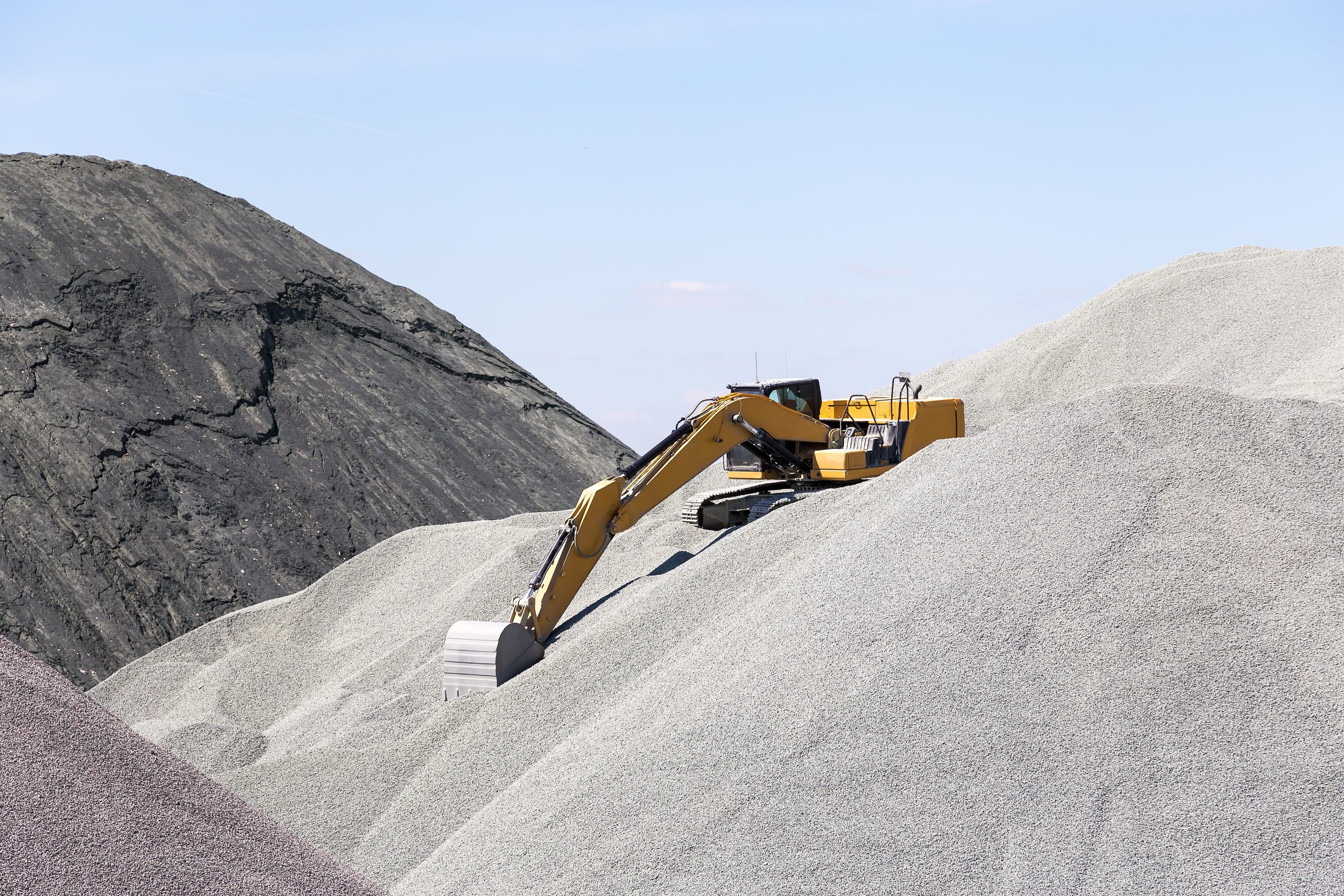
Bulk aggregates type 1, 6F2, 4/20, sand, gravel
Why bulk aggregates are high-value in circular economy
Bulk aggregates are a high-volume, spec-driven commodity with constant demand across highways, civil construction, utilities and development.
Circular value is unlocked when materials can move as a compliant product (with test evidence + traceability), rather than “waste”.
Why doors are a circular-economy “sweet spot”
Doors are standardised assets with clear specs (size, rating, leaf/frame, ironmongery) and repeat demand (repairs, refurbs, new installs).
The commercial barrier isn’t “is there value?” – it’s verification, traceability, and timing.
What typically happens:
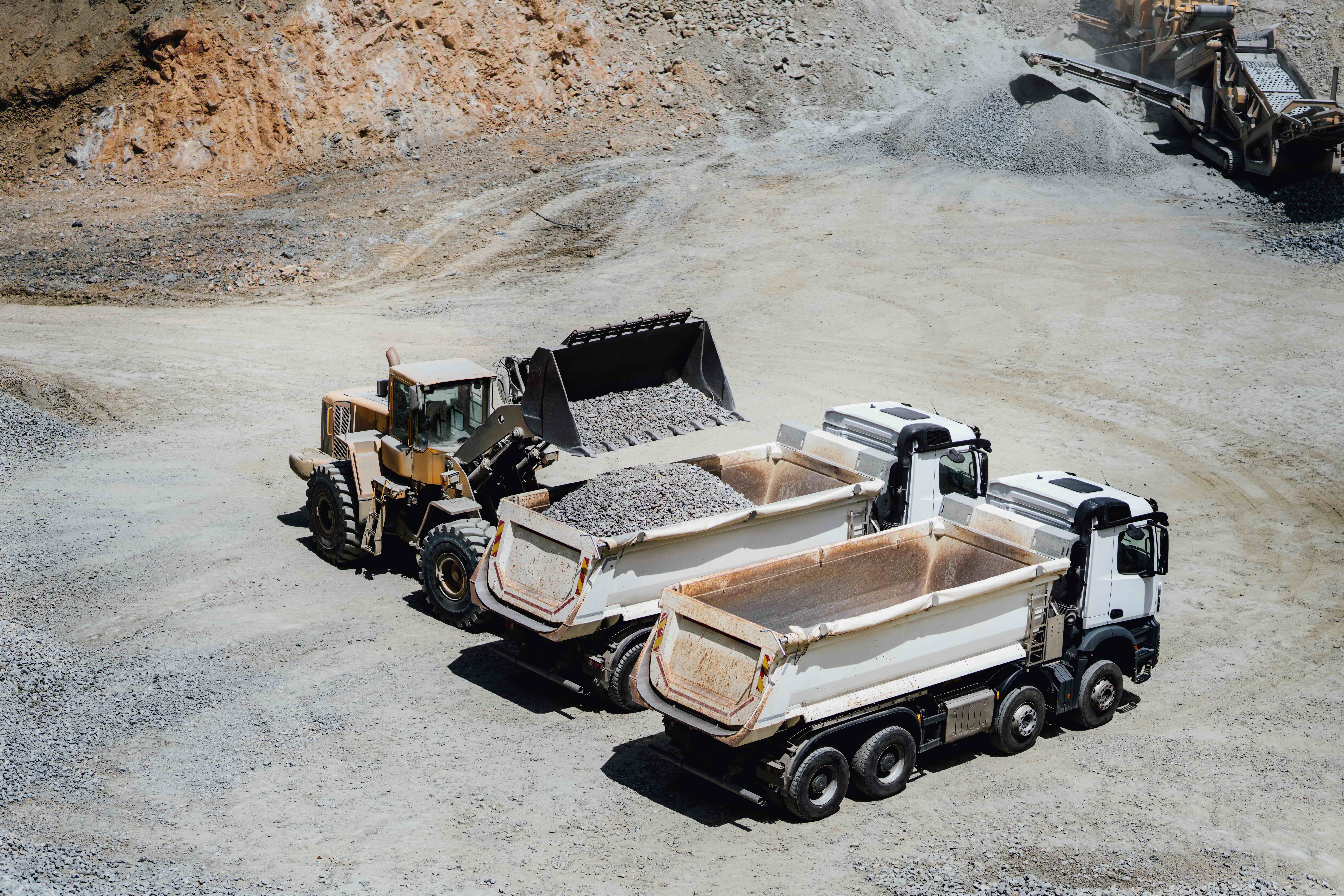
Surplus excavated materials + hardcore are abundant, but reuse fails due to:
Haul distance economics
Contamination risk
Spec/cert compliance
Timing mismatch (when material arises vs when a project needs it)
Reuse pathways:
Direct reuse as engineered aggregate (highest value)
Local secondary use (still high impact)
Processing into recycled aggregate product
Disposal / low-grade recovery (avoid where possible)

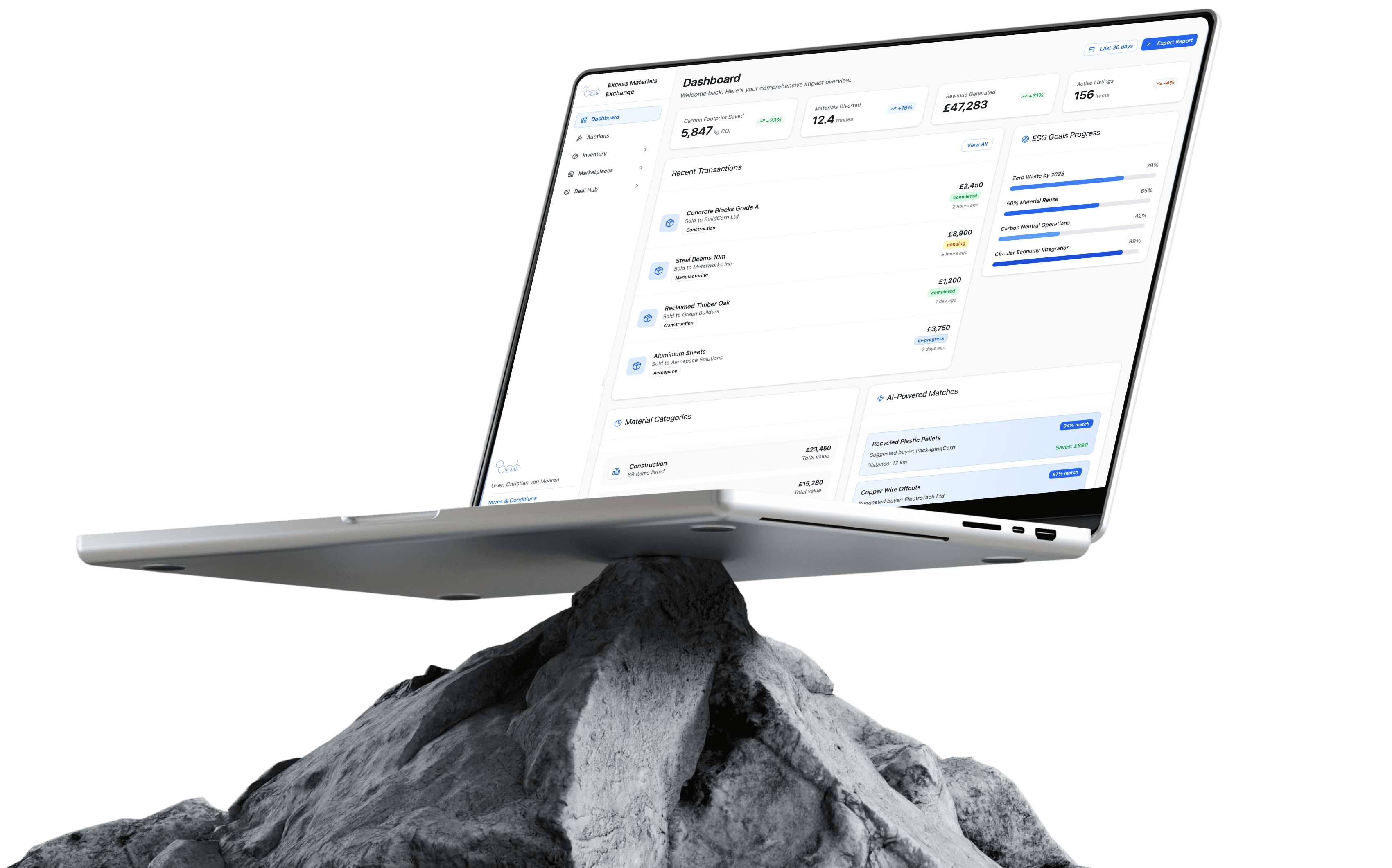
How EME handles aggregates:
Source + spec capture (Type, grading, quantity, moisture)
Evidence pack inside a DPP (tests, photos, origin, compliance notes)
Hyper-local matching to reduce transport emissions and cost
Brokerage + logistics (including shared-cost where it makes sense)
Proof:
Scale story:
Aggregates is where circularity becomes systemic, because volume is so large and cost/carbon are so sensitive to transport and substitution.
The UK already supplies a significant fraction of aggregates from recycled/secondary sources (73.5Mt in 2022), but performance depends on clean capture, spec assurance, and local matching – not just crushing more material.
The “Quality Protocol” exists because market confidence is a limiting factor; it’s explicitly designed to clarify when recovered aggregate ceases to be waste and can be traded as a product.
How EME helps it scale:
Speed: faster evidence capture + listing reduces missed windows
Confidence: DPP consolidates “what is it + can I use it” into one record
Efficiency: local matching reduces haul distance (often the make-or-break variable)
Auditability: Track & Trace + reporting supports procurement, ESG and compliance needs
Tell the agent: type/spec, tonnage, location, contamination risk, and availability dates.
We’ll do the rest.