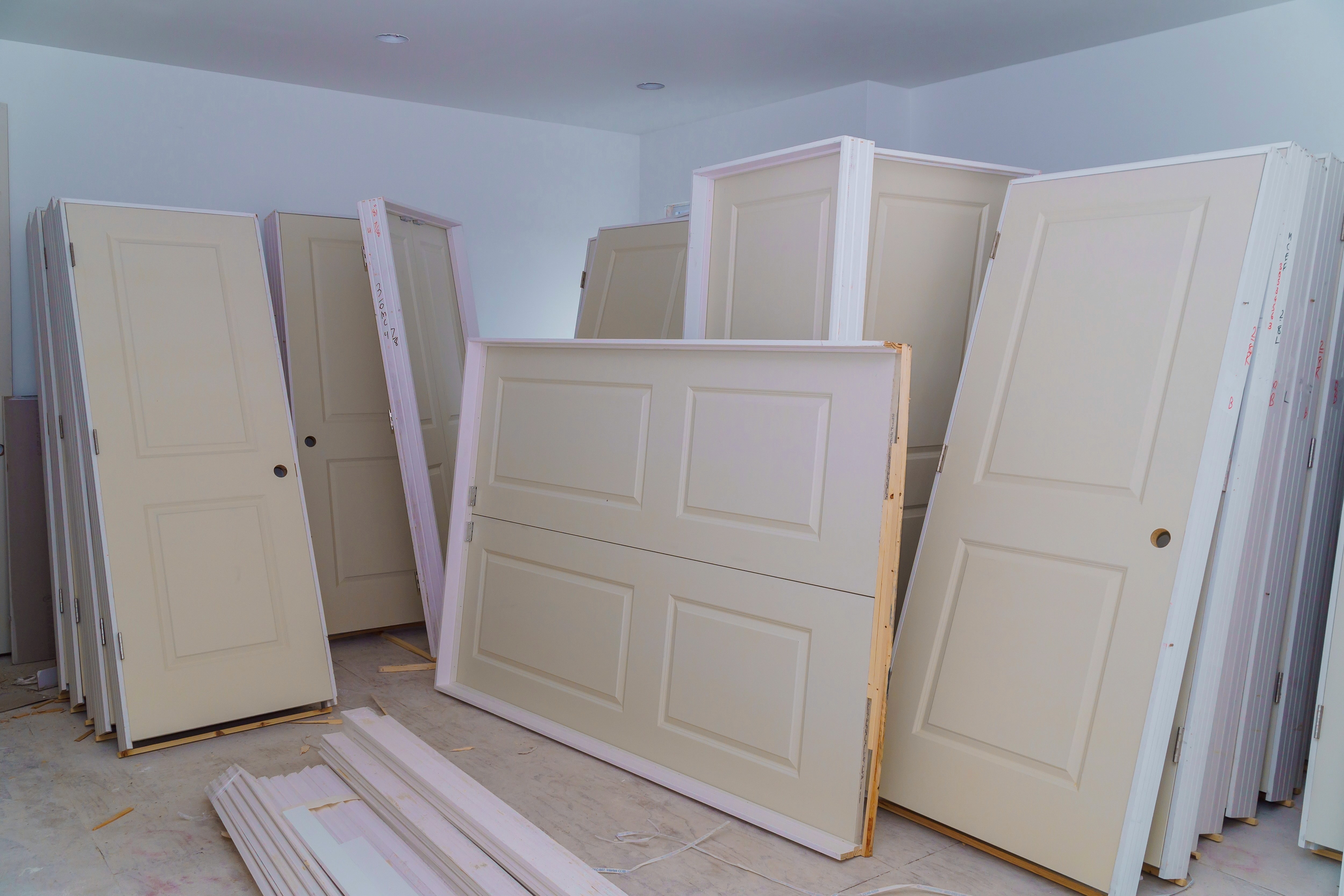
Doors internal, external, fire-rated
Why doors are a circular-economy “sweet spot”
Doors are standardised assets with clear specs (size, rating, leaf/frame, ironmongery) and repeat demand (repairs, refurbs, new installs).
The commercial barrier isn’t “is there value?” – it’s verification, traceability, and timing.
What typically happens:
On fit-outs / soft strip, doors get removed under programme pressure; without storage + grading, they go to chipboard/downcycling or incineration (especially if mixed sets, missing certs, or unknown ratings).
Reuse pathways:
Direct reuse (same spec)
Refurbish + re-cert route (where feasible)
Harvest ironmongery / frames / glazing (component reuse)
Material recycling (lowest value)
How EME handles doors:
Grading + verification: capture dimensions, type (FD rating where known), condition, photos, counts, packaging
Digital Product Passport: spec sheet, chain-of-custody, listing record
Matchmaking: local reuse buyers + projects; split lots where needed
Brokerage + logistics: storage to “buy time”, multi-drop delivery, export where appropriate + documented
Proof: Neilcott Construction Ltd
Example case study: 17 surplus doors
Problem: 17 surplus doors, tight deadline; risk of recycling/incineration
EME solution (4 steps): temporary storage → platform listing + DPP → AI matchmaking → brokerage & logistics
Result: £2,360 savings; 1,300kg diverted; ~250kgCO₂e saved + ~1,010kgCO₂e end-of-life emissions avoided
The bigger UK-scale story:
UK demand for doors is large: one residential market estimate equates to ~10.6M units in 2024 (residential doors sold).
The UK also imports significant wooden doors: HS 441820 imports ~US$393.8M (2023).
Scaling reuse requires: grading, traceability, and compliance evidence—exactly what DPP + brokerage operationalises.
Tell the agent: type, sizes, fire rating (if known), quantity, location, and deadline for your doors…
We’ll do the rest.
Material Use Cases
List once — EME’s AI agent verifies specs, issues Digital Product Passports, matches demand, and brokers the deal.
Material Use Cases
List once — EME’s AI agent verifies specs, issues Digital Product Passports, matches demand, and brokers the deal.
Material Use Cases
List once — EME’s AI agent verifies specs, issues Digital Product Passports, matches demand, and brokers the deal.
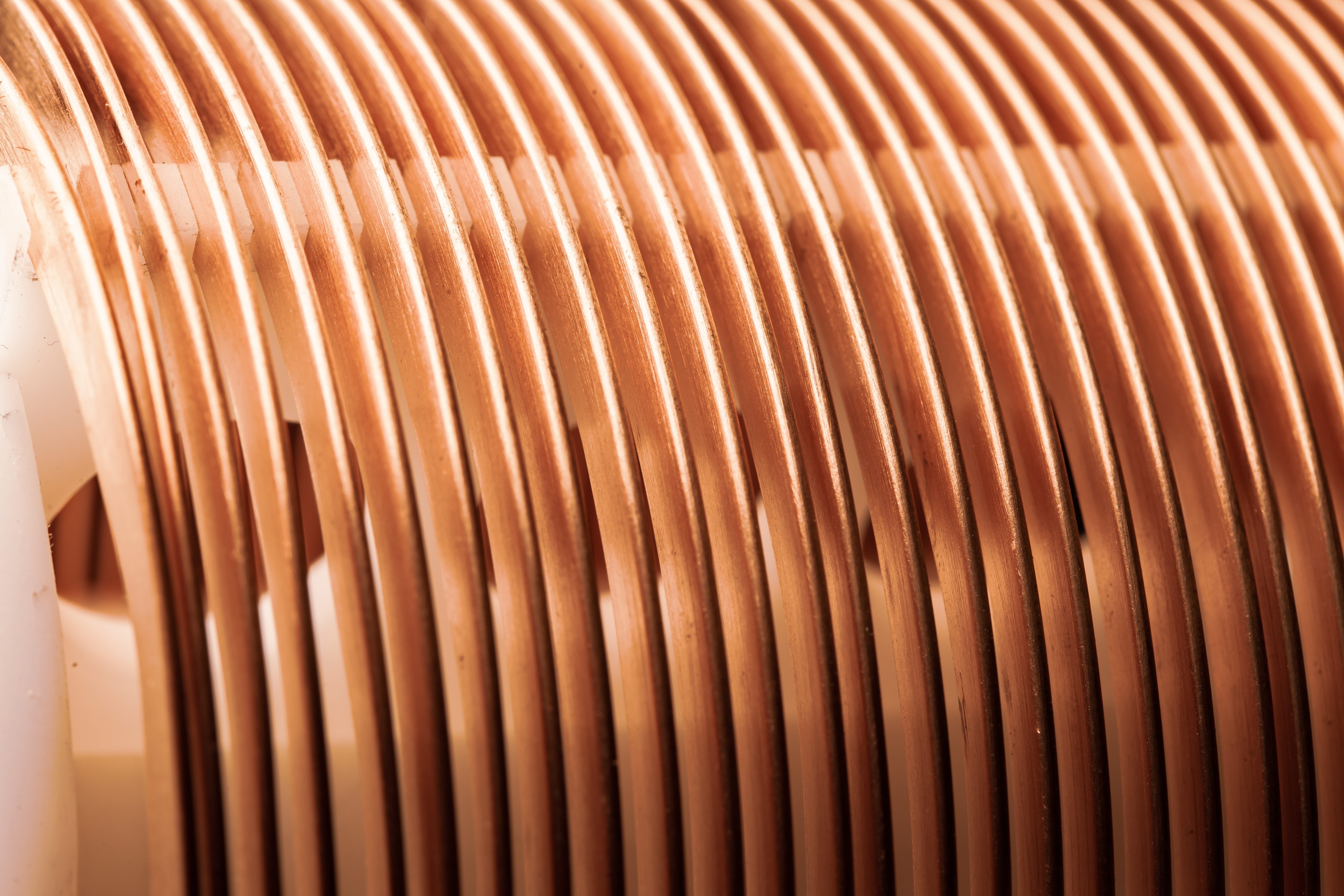
Copper cable, busbar, pipe, sheet
Making copper circular
Copper is highly recyclable, but the best outcome is often targeted reuse (busbars, pipework, reusable cable drums) before downcycling to commodity.
Why doors are a circular-economy “sweet spot”
Doors are standardised assets with clear specs (size, rating, leaf/frame, ironmongery) and repeat demand (repairs, refurbs, new installs).
The commercial barrier isn’t “is there value?” – it’s verification, traceability, and timing.
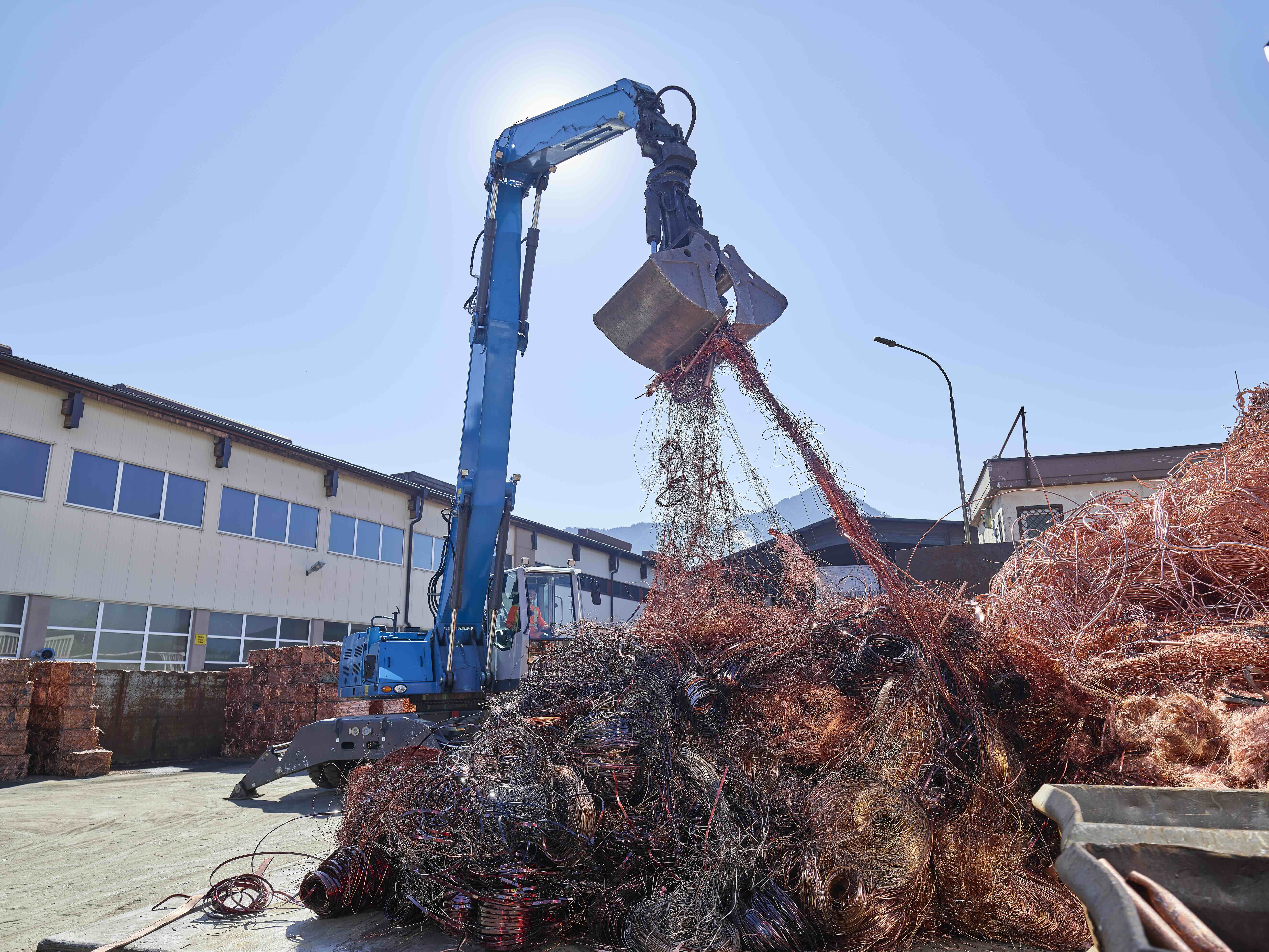
What typically happens:
Mixed copper streams (insulated cable + fittings) get treated as “scrap” with poor value recovery because segregation takes time.
Reuse pathways:
Reuse components (busbars, lengths of pipe, intact assemblies)
Component harvesting (fittings, valves)
Recycling (clean, segregated copper grades)

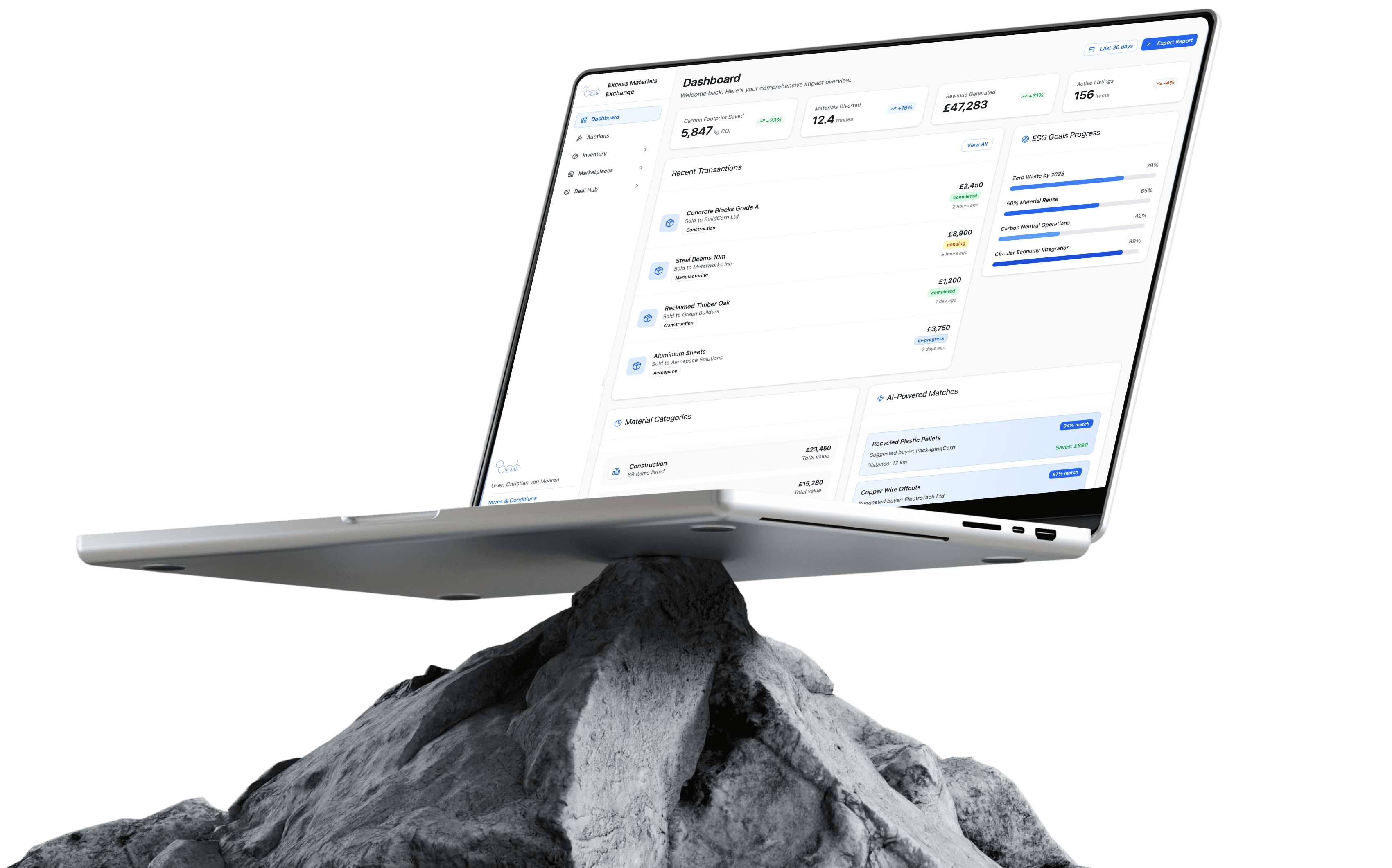
How EME handles copper:
Create clean lots (by type: cable / pipe / busbar) to improve value and buyer confidence
DPP includes photos, lengths, insulation type, and contamination notes
Match to MEP contractors, salvage buyers, fabricators
Proof:
Compliance:
If items are part of electrical equipment, WEEE rules can apply; the UK’s WEEE regs are the underpinning framework encouraging recovery/reuse/recycling of EEE and components.
Scale story:
Copper is often a “quick cash” scrap stream — but the scalable circular win is making reuse-first normal for standard components (busbars, reusable pipe runs), supported by passports and matching.
Tell the agent: type/spec, tonnage, condition, location, and availability dates.
We’ll do the rest.