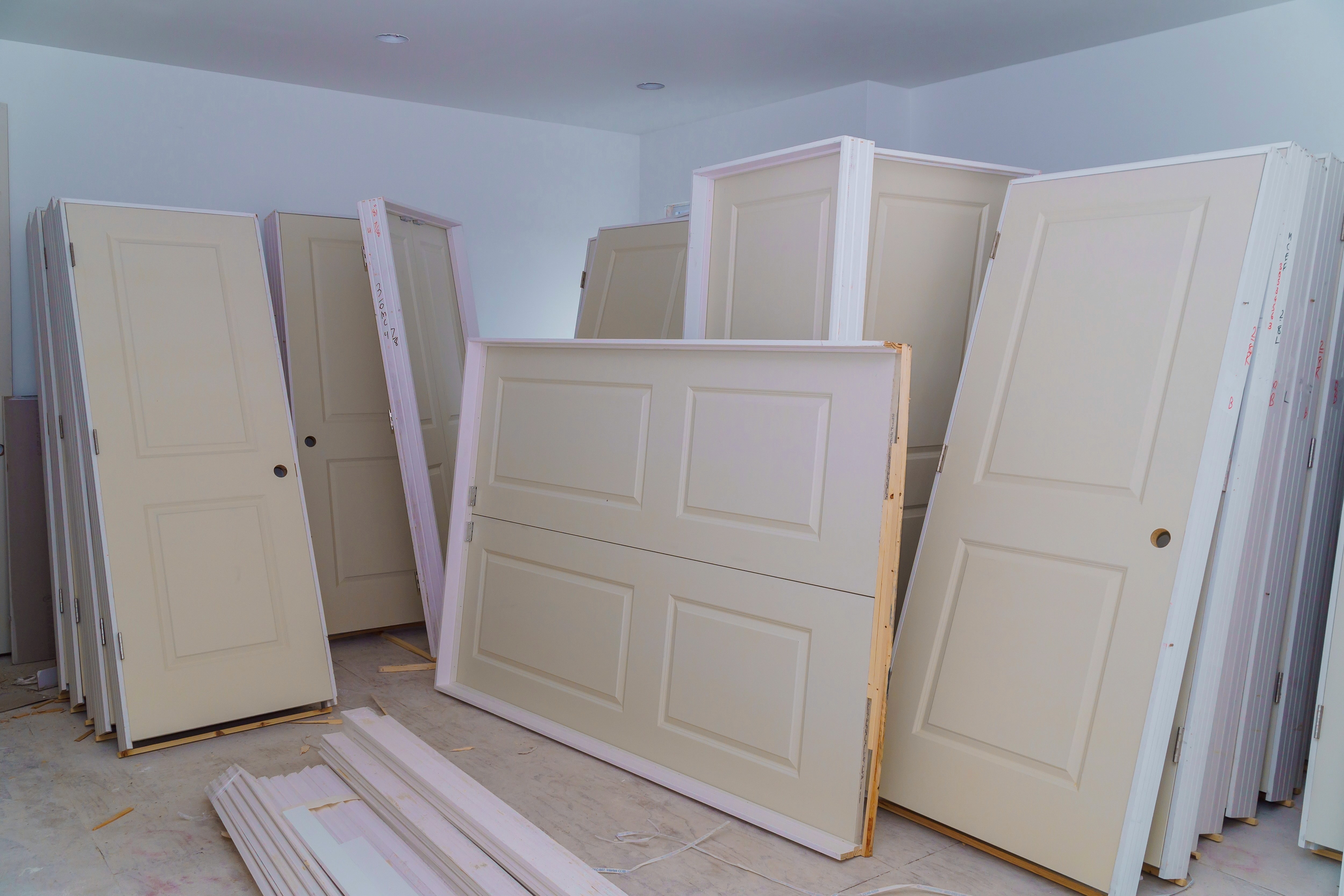
Doors internal, external, fire-rated
Why doors are a circular-economy “sweet spot”
Doors are standardised assets with clear specs (size, rating, leaf/frame, ironmongery) and repeat demand (repairs, refurbs, new installs).
The commercial barrier isn’t “is there value?” – it’s verification, traceability, and timing.
What typically happens:
On fit-outs / soft strip, doors get removed under programme pressure; without storage + grading, they go to chipboard/downcycling or incineration (especially if mixed sets, missing certs, or unknown ratings).
Reuse pathways:
Direct reuse (same spec)
Refurbish + re-cert route (where feasible)
Harvest ironmongery / frames / glazing (component reuse)
Material recycling (lowest value)
How EME handles doors:
Grading + verification: capture dimensions, type (FD rating where known), condition, photos, counts, packaging
Digital Product Passport: spec sheet, chain-of-custody, listing record
Matchmaking: local reuse buyers + projects; split lots where needed
Brokerage + logistics: storage to “buy time”, multi-drop delivery, export where appropriate + documented
Proof: Neilcott Construction Ltd
Example case study: 17 surplus doors
Problem: 17 surplus doors, tight deadline; risk of recycling/incineration
EME solution (4 steps): temporary storage → platform listing + DPP → AI matchmaking → brokerage & logistics
Result: £2,360 savings; 1,300kg diverted; ~250kgCO₂e saved + ~1,010kgCO₂e end-of-life emissions avoided
The bigger UK-scale story:
UK demand for doors is large: one residential market estimate equates to ~10.6M units in 2024 (residential doors sold).
The UK also imports significant wooden doors: HS 441820 imports ~US$393.8M (2023).
Scaling reuse requires: grading, traceability, and compliance evidence—exactly what DPP + brokerage operationalises.
Tell the agent: type, sizes, fire rating (if known), quantity, location, and deadline for your doors…
We’ll do the rest.
Material Use Cases
List once — EME’s AI agent verifies specs, issues Digital Product Passports, matches demand, and brokers the deal.
Material Use Cases
List once — EME’s AI agent verifies specs, issues Digital Product Passports, matches demand, and brokers the deal.
Material Use Cases
List once — EME’s AI agent verifies specs, issues Digital Product Passports, matches demand, and brokers the deal.
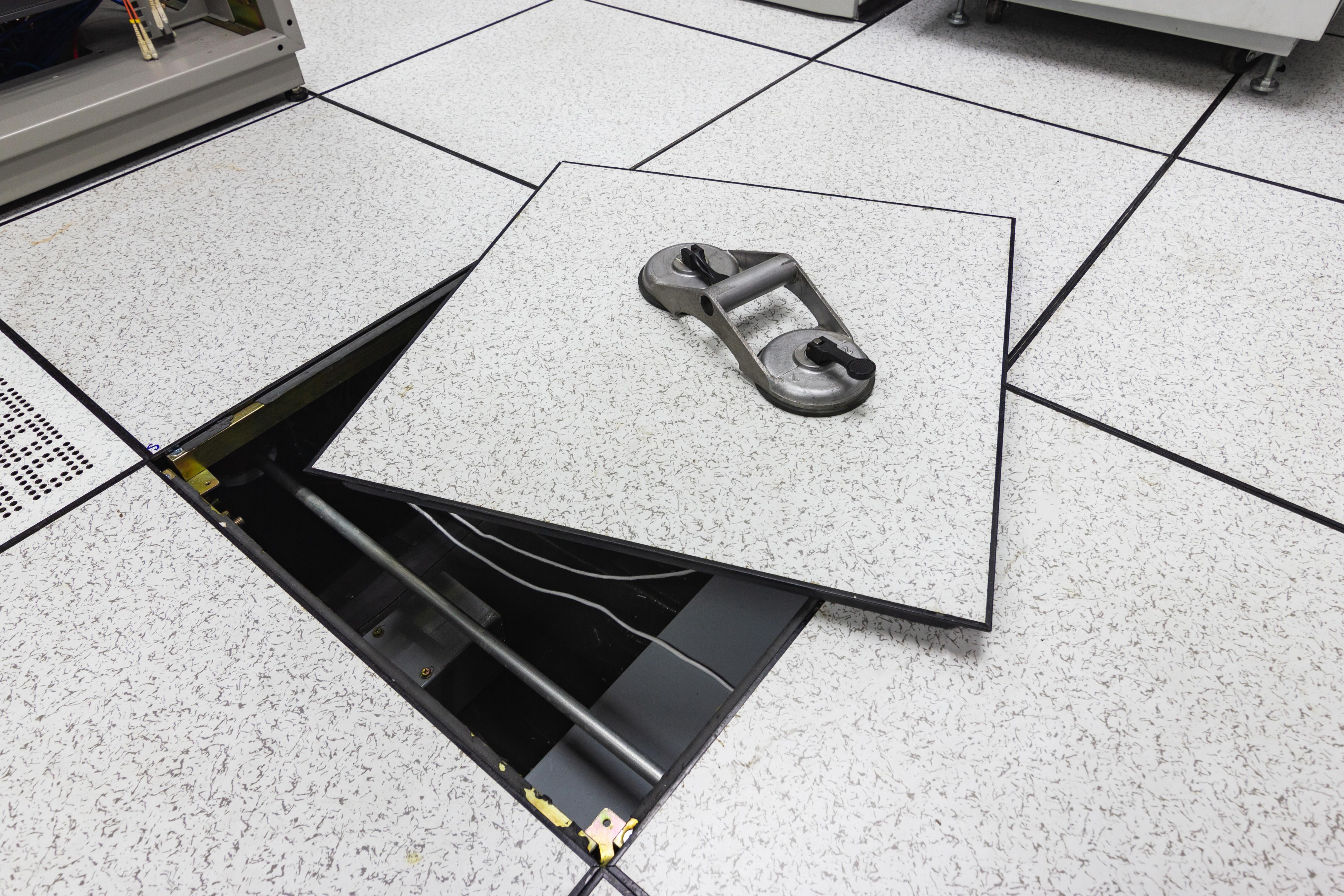
Raised access flooring panels, pedestals
Why raised access flooring is high-value in a circular market
Cost: Panels + pedestals represent significant installed value; reuse can be a major saving.
Lead times: Data centre and commercial fit-out schedules benefit from readily available verified stock.
Embodied carbon: Keeping panels in service avoids new steel/cementitious core manufacture.
Compliance drivers: Performance requirements are typically assessed against BS EN 12825 for raised access floors (loads, test methods).
Supply risk: System compatibility and performance evidence drive whether reuse is accepted.
Why doors are a circular-economy “sweet spot”
Doors are standardised assets with clear specs (size, rating, leaf/frame, ironmongery) and repeat demand (repairs, refurbs, new installs).
The commercial barrier isn’t “is there value?” – it’s verification, traceability, and timing.
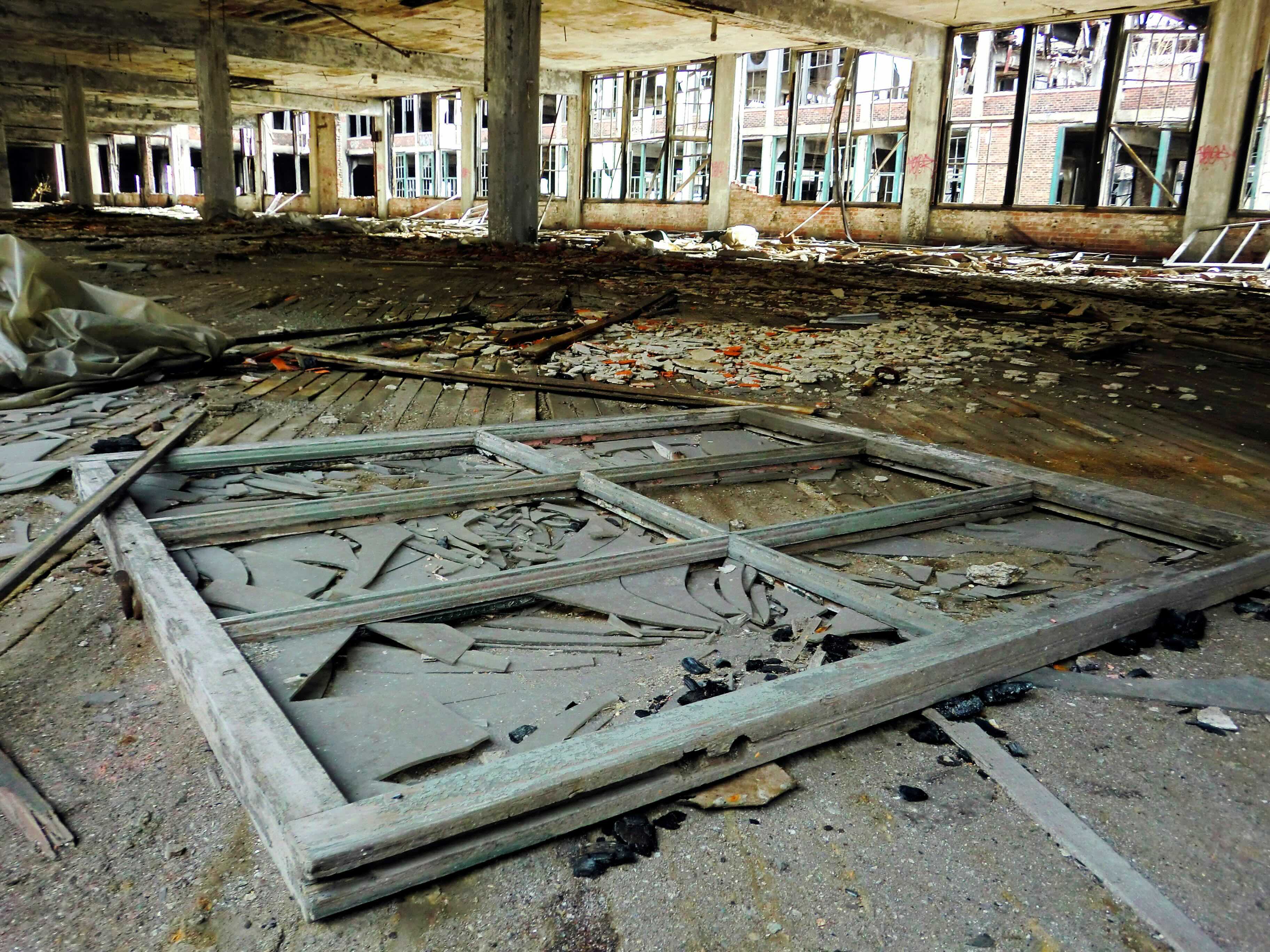
What typically happens:
Time pressure: Panels uplifted quickly → edges damaged, pedestals binned.
Storage: Panels get wet/warped; adhesive contamination makes them “unsellable” without refurb.
Spec uncertainty: Missing panel type, core, finish, performance class.
Compliance risk: No confidence on load class; fear of failure in service.
Fragmented buyers: Specialist refurb and resale markets exist but need standardised spec data.
Transport costs: Heavy pallets, careful stacking required.
Reuse pathways:
Direct reuse (system-compatible panels + pedestals)
Refurbishment/recertification (cleaning/adhesive removal; re-install with compatible pedestals; performance assurance)
Component harvesting (pedestals, stringers, edge trims)
Closed-loop recycling (materials recycling fallback)

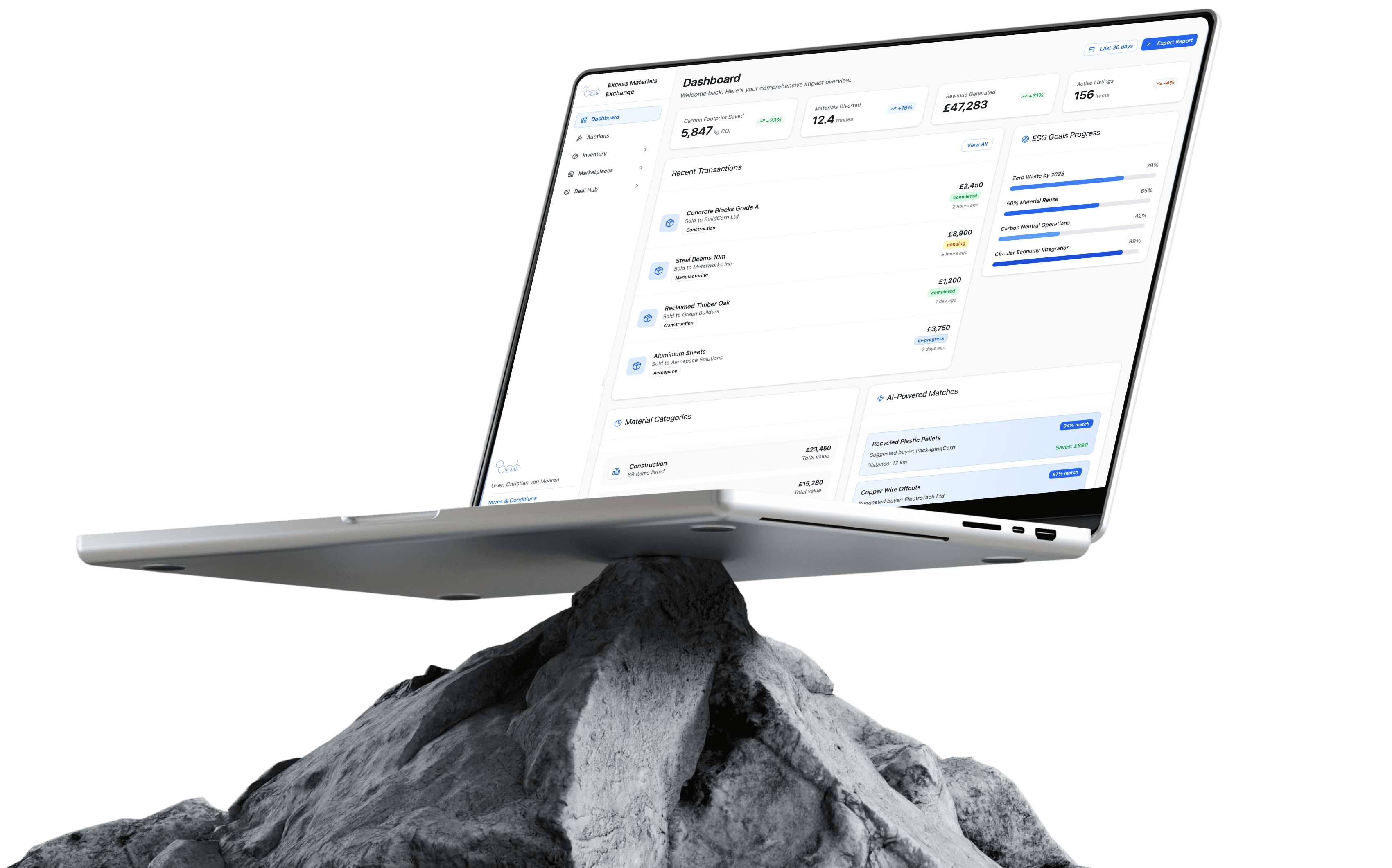
How EME handles raised access flooring:
Listing: Panel sizes, type, finish, quantities; pedestal types and heights.
AI disposition guidance: Direct reuse vs refurb route based on condition/adhesive contamination.
DPP: Performance notes, panel construction, photos, packaging, and installation considerations.
Matchmaking: Fit-out contractors, access floor specialists, refurb stockists.
Brokerage + logistics: Palletisation plans, condition grading, storage, and timed collections.
Track & Trace + impact reporting: Evidence for client reporting and procurement justification.
Scale story:
Access floors scale as a circular category because the system is modular. Bottlenecks are adhesive contamination, missing pedestals, and performance confidence. EME unlocks scale by standardising inventories (DPP) and routing clean stock to reuse, contaminated stock to refurb pathways.
Tell the agent: type/spec, tonnage, condition, location, and availability dates.
We’ll do the rest.